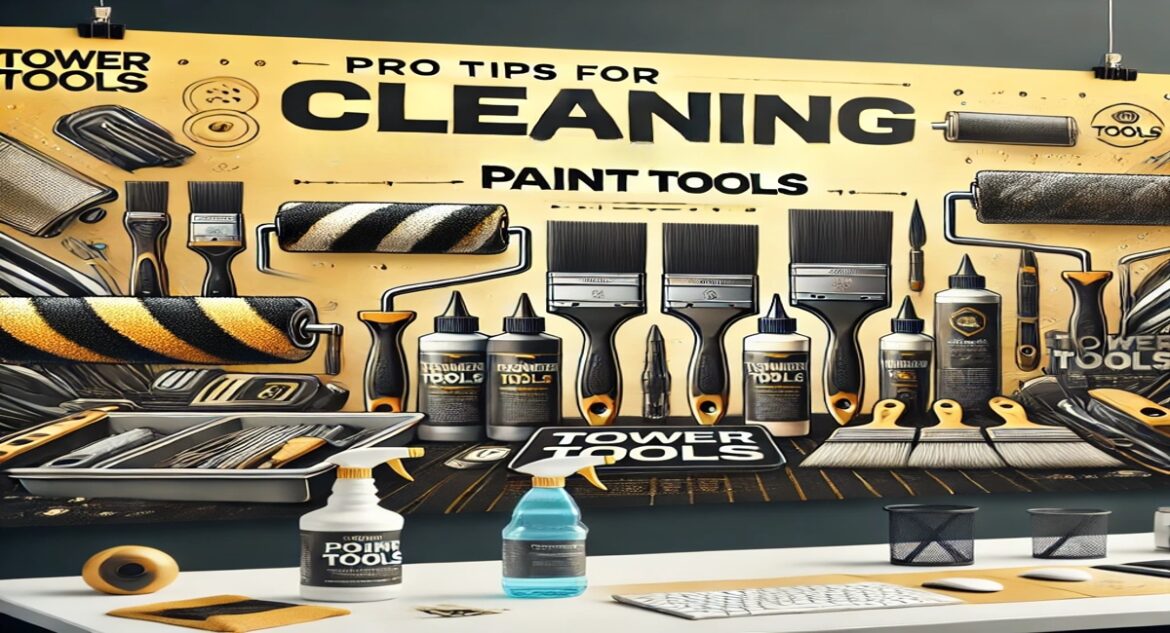
Ever wonder why some painters' tools look brand-new after dozens of jobs, while yours wear out fast? The secret isn't pricey gear—it's smart maintenance. In this guide, you'll see why upkeep matters (longer lifespan, smoother finishes, real cost savings) and exactly what to do after every session. You'll learn how to clean brushes and rollers without fraying bristles, line and wash trays and buckets to avoid build-up, flush and inspect sprayers so clogs don't kill performance, and store everything to keep its shape and resist rust or mildew. Follow these steps, and your kit will work like new, job after job.
Why Proper Maintenance of Painting Equipment Matters
Maintaining your painting equipment is essential for several reasons:
- ✓Prolonged Lifespan: Proper care prevents wear and tear, ensuring your tools stay functional for years.
- ✓Better Results: Clean, well-maintained tools help achieve smoother finishes and more precise application.
- ✓Cost Savings: Regular maintenance reduces the need for frequent replacements.
1. Cleaning Your Brushes and Rollers
Brushes and rollers are the most commonly used painting tools. After each use:
- ✓Remove Excess Paint: Use a putty knife or a brush comb to remove excess paint from brushes and rollers.
- ✓Wash Thoroughly: For water-based paints, rinse tools under warm running water with mild soap. For oil-based paints, use mineral spirits or a paint thinner.
- ✓Dry Properly: Shake out excess water and reshape bristles or foam before hanging them to dry.
2. Caring for Paint Trays and Buckets
Paint trays and buckets are reusable if cleaned properly:
- ✓Line Your Tray: Use disposable liners to minimize cleanup effort.
- ✓Scrape Out Residue: Remove leftover paint with a spatula.
- ✓Wash Immediately: Rinse under warm water or use a paint thinner for stubborn oil-based residues.
3. Maintaining Paint Sprayers
Paint sprayers require extra care due to their complexity:
- ✓Flush the System: Run clean water or the appropriate cleaning solution through the sprayer immediately after use.
- ✓Disassemble Components: Take apart the nozzle and other removable parts for a thorough cleaning.
- ✓Inspect for Damage: Regularly check for clogs or wear on the nozzle and filters.
4. Storing Your Equipment
Proper storage is crucial to prevent damage:
- ✓Brushes and Rollers: Store upright in a dry area to maintain their shape.
- ✓Paint Sprayers: Keep in a cool, dry place, with all parts reassembled and protected from dust.
- ✓Paint: Seal paint cans tightly and store them in a temperature-controlled environment to prevent drying or separation.
Additional Tips for Maintaining Painting Equipment
- ✓Invest in Quality Tools: Higher-quality equipment is often easier to clean and more durable.
- ✓Use the Right Products: Match cleaning solutions to the type of paint used.
- ✓Don't Delay Cleaning: Dried paint is much harder to remove and can permanently damage your tools.
When to Replace Painting Equipment
Even with proper maintenance, some tools will eventually need replacing. Look out for:
- ✓Frayed Brush Bristles: Brushes that have lost their shape or stiffness.
- ✓Worn-Out Rollers: Rollers with flattened or uneven surfaces.
- ✓Clogged Nozzles: Paint sprayers with persistent clogs despite thorough cleaning.
Conclusion
Taking the time to maintain your painting equipment pays off by ensuring excellent results, reducing waste, and saving money. By following the tips outlined in this guide, you'll keep your tools in top condition and ready for your next project. Happy painting!
Partner with Tower Tools Today for All Your Construction and Painting Needs
Whether you're a trading company supplying large-scale developments or a reseller serving renovation projects, Tower Tools is your trusted source for High-Quality Paint Tools and Construction Materials in the UAE — painters and contractors can find our tools through our distribution partners. Browse our full product range today to explore our products and make us your partner for success. New to painting? Start with our guide to the Best painting tools for beginners and professionals.
Frequently asked questions
What are the essential painting tools every painter should have?+
Essential tools include high-quality brushes, rollers with varying naps, paint trays, sturdy extension poles, drop cloths for protection, painters tape, cleaning supplies, and proper storage containers.
Why should I invest in high-quality painting tools instead of cheaper ones?+
High-quality tools provide smoother finishes, hold more paint, last longer with proper care, and are generally easier to clean, ultimately saving you money over time.
How do I clean and store paint brushes properly?+
Remove excess paint, wash with appropriate cleaner (water or mineral spirits), rinse thoroughly, comb bristles, and store them hanging or flat in their original cover to maintain shape.
How should I clean paint trays and buckets after painting?+
Using disposable liners makes cleanup easiest. Otherwise, scrape out excess paint and wash immediately with warm soapy water or solvent before the paint dries.
How should I store my painting equipment?+
Store equipment in a cool, dry place. Hang brushes, keep rollers in airtight bags if possible or dry, and ensure sprayers are clean and reassembled.
When should I replace painting equipment?+
Replace tools when bristles are frayed, rollers are matted or uneven, or sprayers have permanent clogs or damage that affects performance.
How do I maintain paint rollers so they last longer?+
Clean them immediately after use, remove all paint residue, fluff the nap while drying, and store them where they wont be crushed or flattened.
Stock Tower Tools in your store
Trade enquiries welcome — wholesale pricing within one business day.